
What Exactly Is ravel eSIM and How Does It Work?
Ravel eSIM Review: Plans, Coverage, and How It Works for Travelers
You’re at baggage claim in a new country, and your phone pings with a welcome message from ravel eSIM—no physical SIM swap, no airport store hunt, just instant connectivity the moment you land. It’s a digital SIM that you scan a QR code to install, then pick a data plan for your destination. Once active, it taps into local networks automatically, so you can navigate, stream, and stay reachable without roaming fees or juggling multiple SIMs. To use it, just download the ravel app, grab a plan, and follow the one-tap setup before you fly.
What Exactly Is ravel eSIM and How Does It Work?
ravel eSIM is a digital SIM profile embedded directly into your phone, replacing the physical plastic card. Instead of swapping SIMs when you travel, you scan a QR code from ravel’s app, and the eSIM downloads onto your device’s secure chip. Once activated, it connects to local cellular networks in over 190 countries, letting you stay online instantly without roaming fees. The eSIM holds your data plan separately from your primary line, so you can keep your home number active for calls while using ravel for mobile data. Everything is managed in the app—buying a plan, installing it, and checking usage takes under two minutes. **How does it work?** It uses your phone’s built-in eSIM hardware to authenticate with local towers, so no physical card is ever needed—just a stable internet connection for the initial download. Is ravel eSIM reusable? Yes, you can delete and reinstall the same profile for future trips, though each trip requires purchasing a new data package.
The Core Technology Behind the Digital SIM Card
The core tech behind ravel eSIM swaps a physical chip for a tiny, rewritable secure element soldered inside your phone. It holds a digital profile that gets downloaded over the internet, so activating a plan is just a QR code scan or a tap in the app. That profile stores your carrier credentials, and the phone’s modem talks to it directly, letting you switch networks without touching a slot. The magic is in remote provisioning—encrypted data that writes the profile onto that secure element safely. Plus, re-writing that profile is instantaneous, meaning you can jump between countries or carriers in seconds. It’s like having a soft, virtual card that changes itself on demand.
In short, ravel eSIM’s technology is a secure, rewritable digital card inside your device, activated and swapped entirely via software—no plastic, no waiting.
Which Devices Are Compatible With This Service?
When it comes to **which devices are compatible with this service**, the good news is that ravel eSIM works with any unlocked eSIM-capable phone—think recent iPhones (XR and newer), Google Pixels (3a and up), and Samsung Galaxy flagships from the S20 onward. You’ll also be fine with many newer iPads and even some smartwatches with cellular plans. To check quickly, just look in your settings under “Cellular” or “Mobile Data” for an “Add eSIM” option. If you see it, you’re set. For a smooth setup, follow this simple order:
- Confirm your device is carrier-unlocked.
- Find the “Add eSIM” menu in your settings.
- Scan the QR code ravel sends you, and you’re live.
How Activation Differs From a Physical SIM Card
Activating ravel eSIM removes the physical wait for a plastic SIM to arrive. Instead of inserting a card, you scan a QR code or enter a confirmation code provided instantly after purchase. This triggers a direct download of the profile to your device’s eSIM slot, which completes in minutes. Unlike a physical SIM, there is no tray to eject, no size-matching (nano, micro, standard), and no risk of losing the card before installation. Activation is fully digital and immediate, meaning the profile is written to the secure element in your phone, not a removable chip. You also avoid the step of manually registering the SIM’s serial number with a carrier—the ravel system links the profile to your account automatically. After one-time setup, switching between ravel profiles does not require re-activating a new card; you simply toggle profiles in settings. This differs from physical SIMs, where swapping cards requires powering down, ejecting, and re-inserting hardware each time.
- No physical delivery or packaging—activation starts the moment you scan or enter the code.
- Profile is downloaded directly to the device’s eSIM manager, bypassing any SIM tray mechanics.
- Switching plans later requires only a profile toggle, not re-installing a new physical card.
- There is no risk of SIM-card damage during insertion because no insertion ever occurs.
Why Choose This Virtual SIM Over Traditional Roaming?
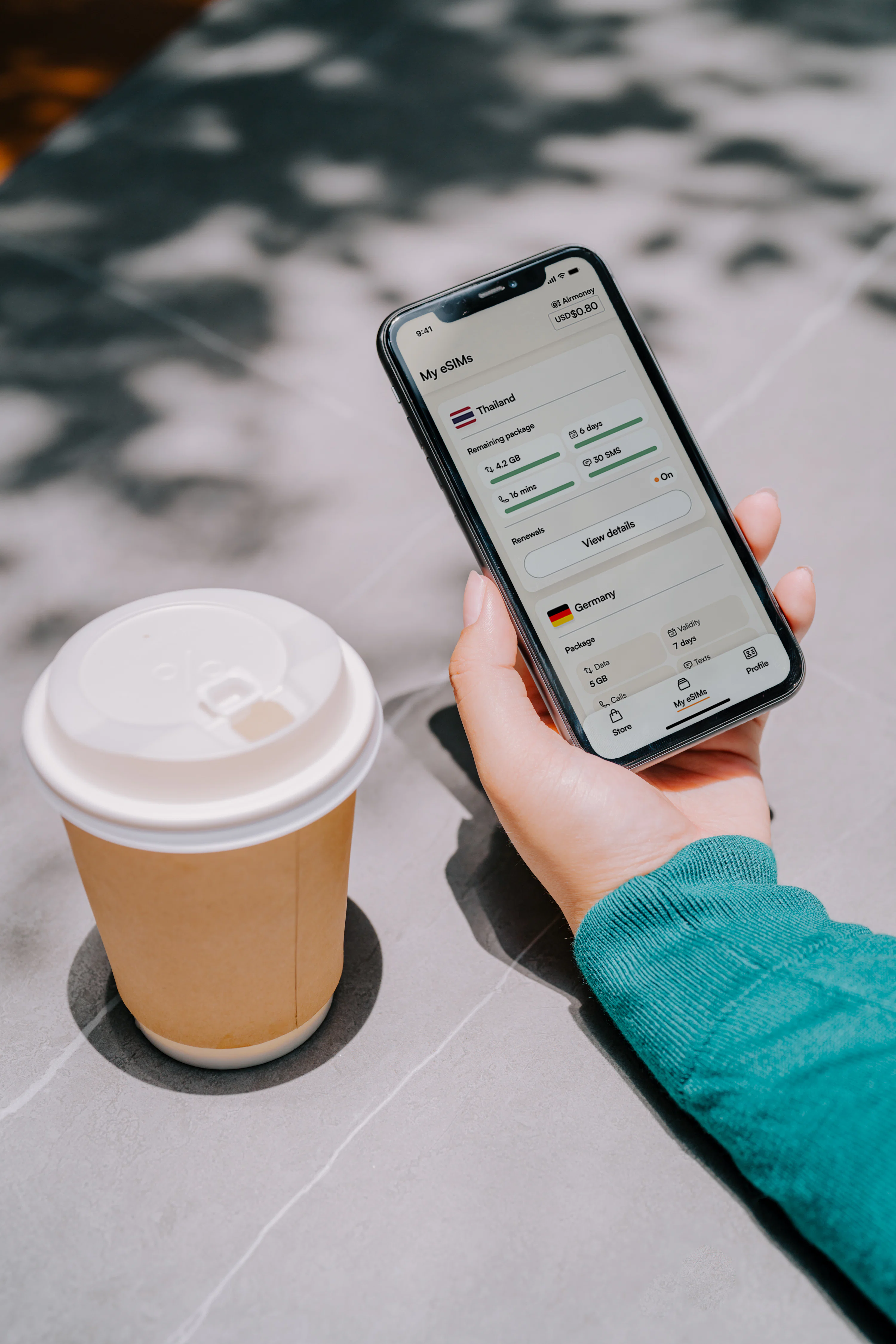
When you land in a new country, the last thing you want is to watch your phone struggle through the expensive, sluggish maze of traditional roaming. With ravel eSIM, you step off the plane and your connection is already alive—no fumbling with plastic SIMs or hunting for a local shop. Traditional roaming quietly punishes you with daily fees and unpredictable data caps, while this virtual SIM hands you transparent, local pricing from the moment you switch it on. You keep your original number for calls and texts, but your data flows through a stable, high-speed network that feels native. You can set up ravel eSIM before you even leave home, meaning your first photo, map, or message works instantly—no airport kiosk anxiety, no bill shock later. It’s simply the smoother, saner way to travel connected.
Cost Savings on International Data Plans
The most immediate financial advantage of choosing ravel eSIM lies in its pricing structure for international data, which directly undercuts traditional roaming tariffs. Instead of paying per-megabyte rates that accumulate rapidly, you purchase a fixed data package for a specific region or country, making the total cost predictable before you depart. This eliminates the shock of a post-trip bill and lets you allocate your travel budget with certainty. Furthermore, because ravel eSIM connects to local networks in your destination, you benefit from local market rates rather than your home carrier’s premium markup. The result is substantial per-gigabyte savings on your trip, particularly for multi-country itineraries where a single regional plan is far cheaper than paying separate roaming charges in each nation. By decoupling data cost from your domestic contract, you only pay for the volume you actually use abroad.

Instant Connectivity the Moment You Land
With ravel eSIM, instant connectivity the moment you land is automatic because activation occurs before departure via the app. Your best esim philippines device switches to the local network immediately upon power-on, eliminating the airport Wi-Fi hunt or physical SIM swap in the terminal. This pre-provisioned profile latches onto the strongest compatible tower as soon as the plane’s doors open, so navigation, ride-hailing, and messaging work while you walk through arrivals. No waiting for SMS activation or manual carrier selection—the eSIM’s embedded profile is already authorized by local partners. You simply toggle data roaming on (if instructed) and use your phone exactly as at home, with zero gap between touchdown and connectivity.
- Profile installs pre-flight, so no setup at baggage claim.
- Automatic network registration within seconds of powering on.
- Works immediately even before exiting the jetbridge.
- No reliance on airport Wi-Fi or local kiosk purchases.
Keeping Your Primary Number Active While Abroad
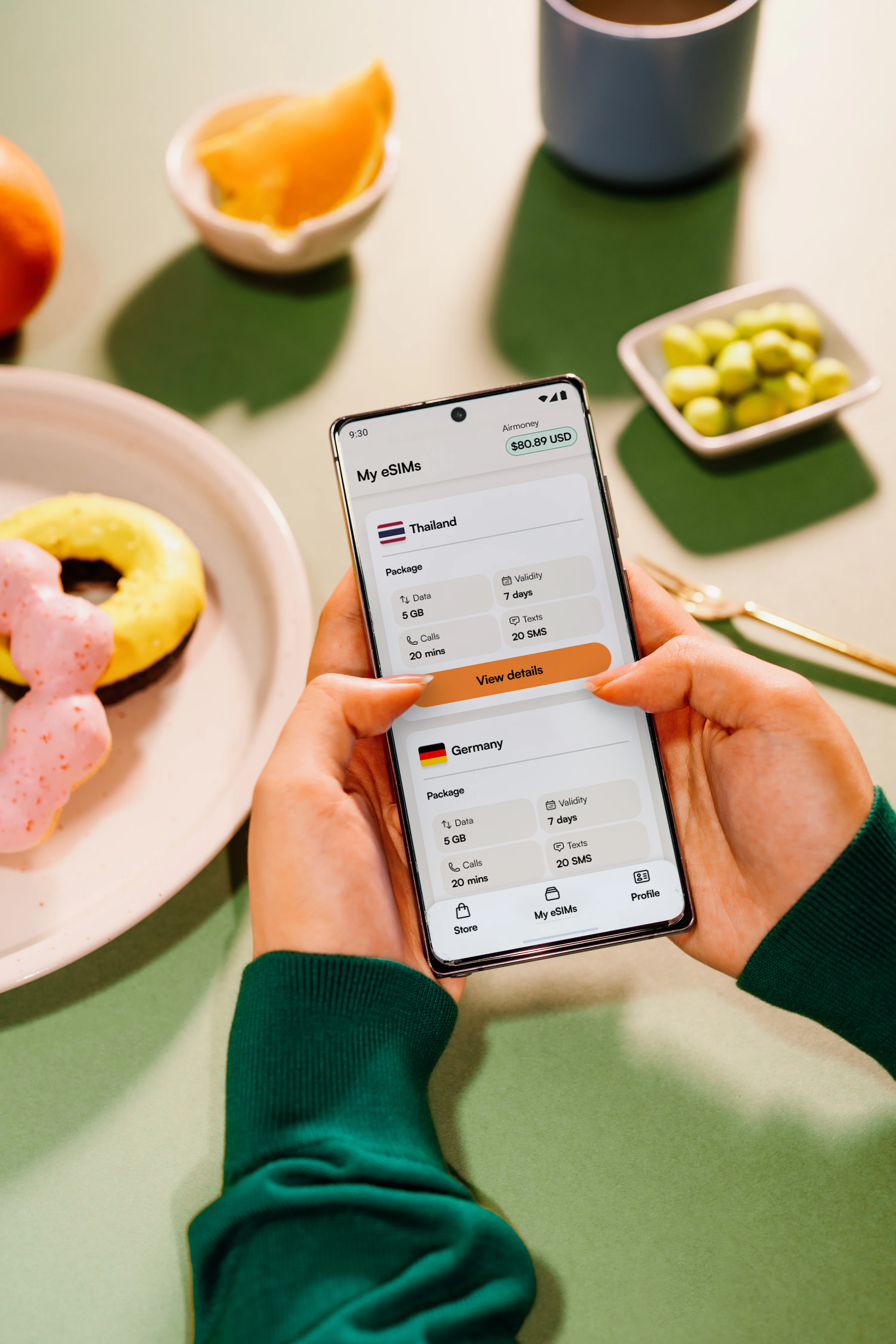
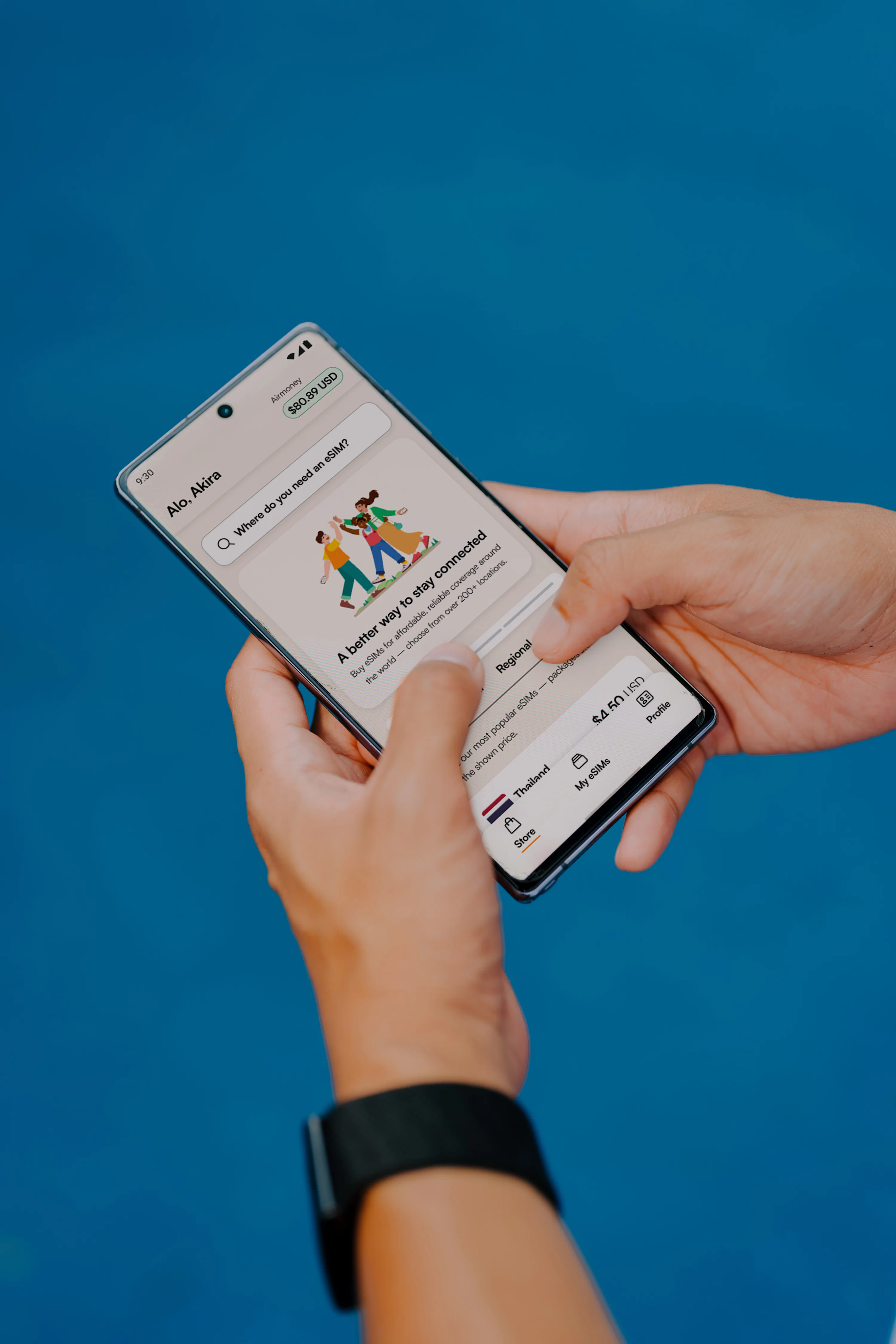
Keeping your primary number active while abroad is a huge win with ravel eSIM, because you don’t have to swap out your physical SIM or risk missing that one critical bank OTP. Your usual number stays linked for iMessage and FaceTime, so group chats with friends back home don’t go silent. Unlike traditional roaming, which often forces a choice between your home line and expensive data, ravel’s dual-SIM setup lets you keep your primary line on for calls and texts while directing all data through the eSIM. That means uninterrupted two-factor authentication and no frantic „I’m abroad, use WhatsApp“ texts to your mom.
How to Set Up and Activate Your Data Plan in Minutes
To activate your ravel eSIM in minutes, first ensure your phone is unlocked and has a stable Wi-Fi connection—this avoids using your existing SIM’s data during setup. Scan the QR code ravel emailed you immediately after purchase, or enter the activation code manually under your device’s cellular settings. The profile installs in under a minute; then, set your data line as the default for cellular data, and toggle off your physical SIM’s roaming to prevent accidental charges. You’ll see „ravel“ appear as an active network once the eSIM connects—this typically happens within two minutes of installation. If it doesn’t, reboot your device once.
Always activate your ravel eSIM before departing, as real-time support and instant re-provisioning are only available when you have internet access elsewhere.
After activation, run a quick speed test or load a webpage to confirm the data path works, then you’re live and ready to travel.
Step-by-Step Installation via QR Code or App
Begin by purchasing a ravel eSIM plan from the official website; the confirmation email contains a unique QR code and an activation code. For immediate setup, open your device’s cellular settings, select “Add eSIM,” and scan the QR code directly from the email—no physical SIM tray is required. Alternatively, within the ravel app, log in, navigate to “My Plans,” and tap “Install on This Device” to auto-fill the activation details, which reduces manual entry errors. After the profile downloads, restart your phone, then toggle the new line as the default data source under “Cellular Data.” The entire process takes under three minutes, provided your device is connected to Wi-Fi initially to fetch the profile.
Once the QR scan or app-install completes, verify the profile appears under “Network,” and test a browser session—if no connection, switch “Data Roaming” on, as ravel’s profile requires this toggle for foreign networks.
Managing Multiple Plans and Switching Between Them
Juggling trips? Your ravel eSIM lets you stash multiple data plans in one place, so you’re never stuck re-downloading when you land. To switch, just open your device’s cellular settings and tap the plan you want active—it’s a two-second change, no SIM card gymnastics. Keep your home number on for calls while using a travel plan for data, or toggle between a regional and global package if your itinerary shifts. Just remember: only one data plan runs at a time, so switching between eSIM plans is manual, not automatic. Check your balance before you hop, and you’re golden.
Troubleshooting Common Activation Issues
If your ravel eSIM doesn’t activate after scanning the QR code, first confirm that your device is connected to Wi-Fi, as activation requires a stable internet connection. Then, manually select the newly added cellular plan in your settings and ensure **data roaming is toggled on**—ravel eSIMs rely on this for network registration. For persistent “No Service” errors, restart your phone, then remove and re-add the eSIM profile under “Cellular Plans.” Also, verify your phone is carrier-unlocked and running a recent iOS or Android version; outdated software blocks profile installation. Most activation failures resolve within ten minutes using these steps, without needing support.
- Force-quit and reopen the “Cellular” settings screen after adding the profile to trigger a re-registration.
- Check that your ravel eSIM activation QR code hasn’t expired—codes are valid for 24 hours after purchase.
- If prompted for a confirmation code, use the one in your ravel email receipt, not the one on the packaging.
What Coverage and Data Options Can You Expect?
With ravel eSIM, expect coverage and data options tailored to regional travel patterns, not just global blanket plans. You can select single-country or multi-region packages, activating exactly where you land. Coverage typically spans major carriers in over 150 destinations, automatically switching to the strongest available local network to avoid dead zones in cities and rural corridors. Data tiers range from daily high-speed allotments (e.g., 1GB per day) to total-volume buckets (5GB, 10GB, or 20GB) valid for 7–30 days. For heavy usage, check whether your chosen plan includes hotspot tethering and 5G/4G LTE access, as top-ups are purchased per-gigabyte after exhaustion. Importantly, your coverage and data options remain fixed at purchase, so verify the destination list for your exact country and preferred validity window before buying; the app’s signal map shows real-time carrier strength in your area.
Understanding Regional vs. Global Data Packages
When picking a plan, think about where you’ll actually land. Regional vs. global data packages change how much you pay per gigabyte, so match the zone to your itinerary. A regional option, like Europe or Asia-Pacific, covers a cluster of countries at a lower rate—perfect if you’re bouncing between neighbors. Global packages cost more per GB but unlock dozens of destinations worldwide, ideal for multi-continent trips or layovers. Check the map before buying; your destination might sit in a surprising zone. For example, Turkey sometimes falls under Asia, not Europe. Q: How do I know if I need regional or global? A: If your route stays within one continent, go regional for savings; if you cross oceans or hit outliers, global avoids surprise top-ups.
Speed Limits, Fair Usage Policies, and Data Top-Ups
With ravel eSIM, most plans operate under a **fair usage policy (FUP)**, meaning full advertised speeds apply until a monthly data threshold is crossed—after that, throughput drops to a lower, stable rate (often 128 kbps–1 Mbps) for the remainder of the cycle. No hard caps exist, so your connection never cuts off; only speed is reduced. If you hit this reduced state, a data top-up for instant speed restoration is your practical fix—purchase a small add-on bundle directly in the app, which reactivates full-speed access immediately. Top-ups are consumed first, before your base allowance resets. Q: Can I avoid speed throttling after FUP by buying a top-up mid-cycle? A: Yes—an active top-up overrides the reduced speed, and any unused top-up data rolls over until the add-on expires, not your plan’s renewal date.
How to Pick the Right Data Volume for Your Trip Length
To match data to your itinerary, start by estimating your daily usage rather than guessing a flat number. For a 3–5 day city break, 1GB per day is usually sufficient for navigation, messaging, and light browsing; for 7–10 day trips with heavy photo uploads or video calls, choose 2GB per day. If you travel for two weeks or more, select a plan with a total pool (e.g., 20GB) instead of a daily cap, since your consumption will fluctuate. Right data volume depends on your off-grid hours: hotel Wi-Fi reduces needs, while long train rides increase them. A practical sequence is:
- List your daily high-data activities (streaming, mapping, social media) and time spent offline.
- Multiply your estimated daily GB by trip days, then add a 20% buffer for unexpected overuse.
- Compare the result to travel eSIM plans, rounding up to the nearest available tier to avoid speed throttling mid-trip.
Practical Tips for Getting the Most Out of Your Virtual SIM
To truly master your ravel eSIM, install it before you leave home while connected to Wi-Fi—this lets you verify activation without burning cellular data. Once abroad, toggle off your primary physical SIM’s roaming to prevent accidental charges, and set ravel as the default data line for seamless connectivity. Keep your QR code screenshot saved offline; if your device restarts, re-scanning ensures quick recovery. Download offline maps and translation packs ahead of time, since ravel’s speed thrives best for navigation, not heavy streaming. **The golden rule:** reboot your phone once after landing—this forces the network to re-register, eliminating silent connection drops. *Q: What if my ravel eSIM stops working mid-trip?* A: Jump into your device’s cellular settings, disable and re-enable the ravel line; if that fails, manually reselect a local network operator from the list—this solves 90% of coverage hiccups. Finally, track your data via the ravel app daily, not the phone’s counter, which may include background system usage. That small habit extends your plan by days, letting you roam worry-free through every alley and airport.
Configuring APN Settings on iPhone and Android
For ravel eSIM, configuring APN settings differs sharply by platform. On iPhone, after installing the eSIM profile, navigate to *Settings > Cellular > Cellular Data Network*; if the APN field is blank, input the ravel-provided identifier exactly, leave username and password empty, and toggle LTE/VoLTE on. On Android, go to *Settings > Network & Internet > Mobile Network > Access Point Names*, create a new APN, paste the ravel APN string, select it, then reboot. Android often requires manual APN selection even after profile installation, while iOS typically auto-fills it. If data fails, verify that ravel eSIM APN configuration matches your destination region, not your home carrier. Both platforms need the APN set to “ravel” or the country-specific code from your activation email, with no proxy or port values.
Using Hotspot Tethering Without Extra Charges
When using a ravel eSIM, activating hotspot tethering typically draws from the same data allowance as your device, meaning you won’t incur separate fees if your plan includes tethering. To avoid extra charges, first confirm that your specific ravel eSIM package permits sharing—most data-only plans do—and check your account dashboard for any fair-use caps. Keep your phone’s hotspot password enabled to prevent unauthorized drain, and monitor your remaining balance via the app before and after sessions. For heavy usage, lower streaming quality or download maps offline to stay within your limit. No-cost hotspot tethering with ravel eSIM depends entirely on matching your sharing activity to your purchased data bucket, not on per-megabyte surcharges.
With ravel eSIM, tethering costs nothing extra as long as you stay within your existing data plan and avoid exceeding any fair-use thresholds.
Answers to Frequently Asked Questions Before You Buy
Before purchasing a ravel eSIM, confirm device compatibility by checking that your phone is unlocked and supports eSIM technology, as carrier locks remain the most common blocker. Verify coverage for your specific destination countries within the app’s coverage map, not just the region, since some plans exclude tiny islands. Assess data needs honestly—ravel’s top-up flexibility means you can start smaller, but review whether your plan includes tethering or only on-device data. Finally, check the activation window: ravel eSIMs require installation before departure, but activation only begins when you connect to a local network. Pre-purchase device compatibility checks prevent wasted purchases.
- Confirm your phone’s IMEI is eSIM-ready via settings.
- Read the plan’s “validity” countdown—does it start at purchase or first use?
- Check if customer support is available pre-sale for plan-specific questions.